 Price: £239
 Turnaround: 5 working days
 Appointment: 30 minutes









Women's Health
PCOS: Diagnosis, Research & Management
Polycystic Ovary Syndrome is a common endocrine disorder that affects people with ovaries, typically during their reproductive years.







The ideal time to schedule a smear test is two weeks after your period ends. This timing helps ensure the most accurate results. It is also important to note that you cannot have a repeat smear test within three months of your last one, as this interval is necessary for accurate monitoring and assessment. Additionally, we are unable to perform a cervical smear during your menstrual period, as menstrual blood can interfere with the accuracy of the test results. Planning your smear test around these guidelines helps in obtaining the most reliable and clear results.

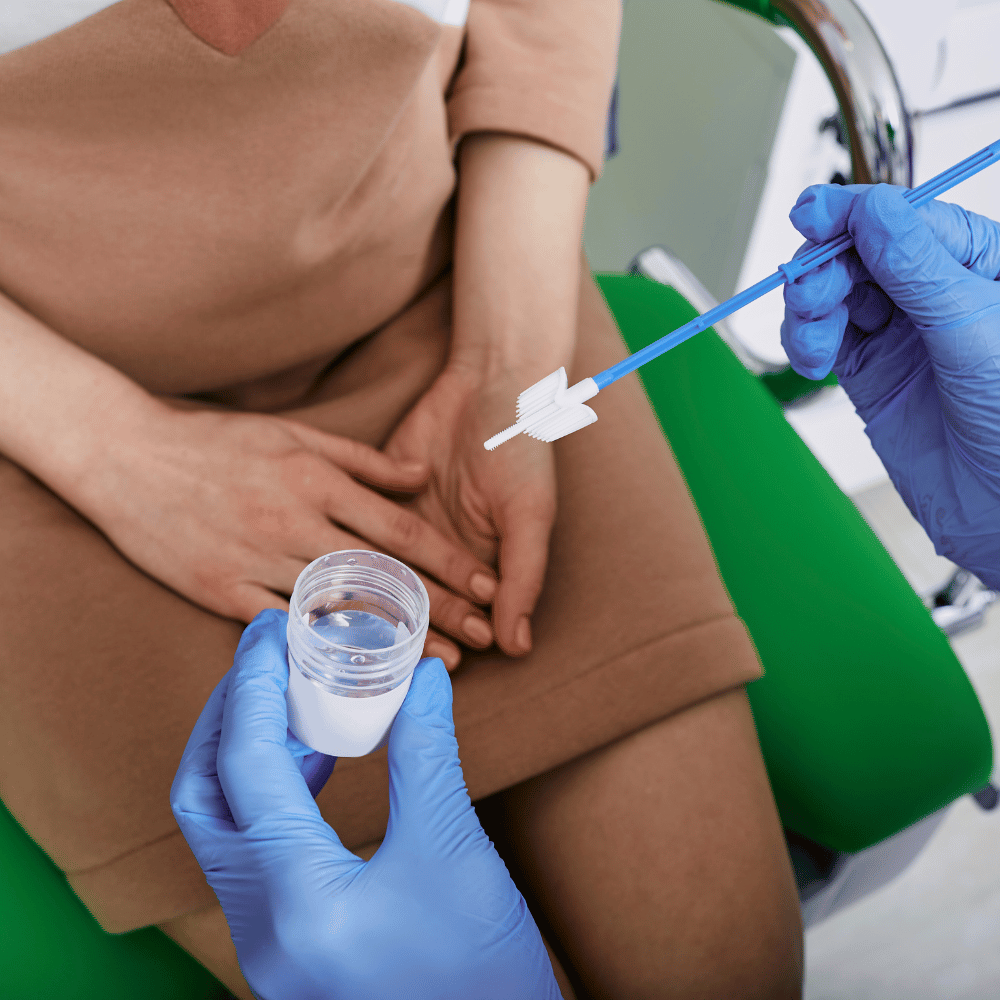
The smear test is a quick and straightforward procedure. During your appointment, a doctor, whom you can request to be female, will use a speculum to gently open the vagina. This allows for clear access to the cervix, where a soft swab is used to collect cell samples. While some women may find the procedure slightly uncomfortable, it is generally not painful.

Your smear test results will typically be available within five working days. During this period, the collected sample is carefully analysed in a laboratory to ensure accurate and reliable results. Once the analysis is complete, the results are promptly sent to your healthcare provider. You will then be contacted to discuss the findings and any necessary next steps. If there are any abnormalities detected, your healthcare provider will guide you through further testing or treatment options.
Polycystic Ovary Syndrome is a common endocrine disorder that affects people with ovaries, typically during their reproductive years.

Menopause is a natural biological process that marks the end of a woman’s reproductive years, typically occurring between ages 45

Learn about vaginal discharge: its role, what’s normal, and when to be concerned. Stay informed for optimal health.